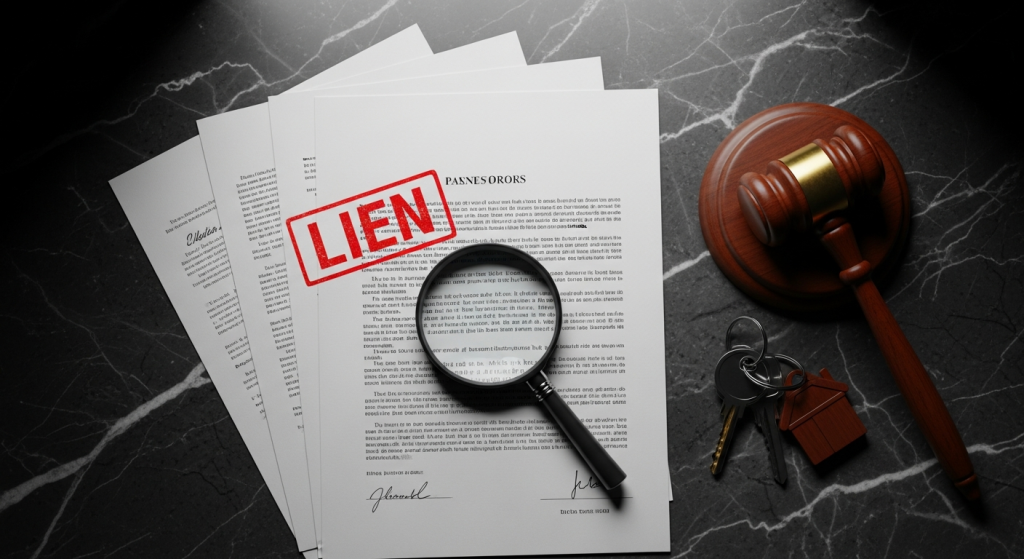
Why Title Issues Can Kill a Deal
Imagine finding the perfect investment property, negotiating a great price, and starting your due diligence — only to discover there is a $50,000 tax lien attached to the property that the seller never mentioned. Suddenly your profitable deal becomes a nightmare. This scenario plays out more often than you might think, and it is exactly why understanding liens and title issues is essential for every real estate investor.
A clear title means the seller has the legal right to sell the property and there are no outstanding claims against it. A clouded title means there are unresolved issues — liens, encumbrances, disputes, or errors — that must be addressed before the property can change hands. At Real Estate Sales LLC, we train our investors to identify and handle title issues before they become expensive problems.
What Is a Lien?
A lien is a legal claim against a property that secures a debt. When a lien is placed on a property, it must typically be paid off or resolved before the property can be sold with clear title. There are several types of liens investors encounter regularly.
Mortgage liens. The most common type. When a homeowner takes out a mortgage, the lender places a lien on the property as collateral. The lien is removed when the mortgage is paid in full. In a sale, the mortgage payoff comes from the sale proceeds at closing.
Tax liens. When property taxes go unpaid, the local government places a lien on the property. Tax liens take priority over almost all other liens — meaning they get paid first at closing. Severe tax delinquency can lead to a tax sale, where the government sells the property to recover unpaid taxes.
Mechanic’s liens. Contractors, subcontractors, and suppliers who perform work on a property but are not paid can file a mechanic’s lien. This is particularly relevant for flippers — if you hire a contractor who does not pay their subcontractors, those subs can file liens against your property.
Judgment liens. If a homeowner loses a lawsuit and owes money, the court can place a judgment lien on their property. This lien must be satisfied before the property can be sold.
HOA liens. Homeowners association dues that go unpaid can result in liens. In some states, HOA liens can even take priority over mortgage liens.
IRS liens. Unpaid federal taxes can result in a lien from the Internal Revenue Service. IRS liens are particularly stubborn and can complicate transactions significantly.
The Title Search Process
A title search is a thorough examination of public records to determine the legal ownership of a property and identify any claims, liens, or encumbrances. Here is what it involves:
Chain of title. The title company traces the ownership history of the property, usually going back 30 to 60 years. They verify that each transfer was legitimate and properly recorded. Breaks in the chain — missing documents, forged signatures, or improperly executed transfers — create title defects.
Lien search. All recorded liens are identified, including mortgages, tax liens, judgment liens, and mechanic’s liens. The search also looks for pending lawsuits that could result in future liens.
Encumbrance search. Beyond liens, the search identifies easements (rights others have to use the property), deed restrictions (rules about how the property can be used), and any other encumbrances that affect ownership rights.
Survey review. The title company may review a property survey to confirm boundaries and identify encroachments — structures that extend beyond property lines.
Title Insurance: Your Safety Net
Even the most thorough title search can miss hidden issues. That is where title insurance comes in. Title insurance protects you against losses from title defects that were not discovered during the search.
Owner’s title insurance protects the buyer. It covers the purchase price and is valid for as long as you own the property. The cost is a one-time premium paid at closing.
Lender’s title insurance protects the mortgage lender. It is almost always required by lenders and covers the loan amount. Like owner’s insurance, it is a one-time premium.
For investors, owner’s title insurance is strongly recommended on every purchase. The cost is minimal compared to the potential losses from an undiscovered title defect.
Common Title Problems and How to Handle Them
Unknown liens. The seller may not know about all liens on their property. A thorough title search catches these. In most cases, liens are paid from the sale proceeds at closing. If the liens exceed the sale price, the deal may need to be restructured or abandoned.
Errors in public records. Clerical mistakes — misspelled names, incorrect legal descriptions, improperly recorded documents — can create title issues. These are usually correctable but take time.
Missing heirs. If a property was inherited, unknown or missing heirs may have a claim to the property. This is common with probate properties and is one reason title insurance is so important.
Forgery and fraud. Forged deeds and documents are rare but do occur. Title insurance provides protection against losses from forgery.
Boundary disputes. Neighbors may disagree about where one property ends and another begins. A current survey can resolve most boundary disputes.
Protecting Yourself as an Investor
Always order a title search. Never skip this step, no matter how good the deal looks. The cost of a title search ($200 to $500) is nothing compared to the potential losses from a title issue.
Work with a reputable title company. Not all title companies are equal. Find one with experience in investor transactions — they will be faster, more thorough, and better equipped to handle unusual situations.
Review the title commitment carefully. Before closing, you will receive a title commitment that lists all exceptions and requirements. Read it carefully and ask questions about anything you do not understand.
Get title insurance. On every deal. No exceptions.
Include title contingencies in your contracts. Your purchase agreement should include a contingency that allows you to cancel the deal if title issues cannot be resolved satisfactorily.
Title Issues and Wholesaling
If you are wholesaling, title issues affect your ability to assign the contract. Your end buyer will want clear title, and their title company will do their own search. If issues surface, the deal can fall apart.
Smart wholesalers order a preliminary title search early in the process — before spending time and money marketing the deal to buyers. This way, you can identify and address issues upfront or walk away before you are too invested.
Build Your Knowledge Base
Understanding title issues is part of becoming a complete real estate investor. At Real Estate Sales LLC, our mentoring program covers every aspect of the investing process — from finding deals to closing with confidence. Our students learn to navigate title issues, contracts, and due diligence like experienced professionals.
Ready to invest in your education? Register for our free Flip Cheap Houses webinar and learn the complete system for building wealth through real estate.